When comparing cotton vs polyester vs TC cotton for company uniforms, there is no single fabric that is best for every business. The right choice depends on where employees work, how active they are, how frequently the uniforms are washed and the image your company wants to present.
Advantages
Considerations
Advantages
Considerations
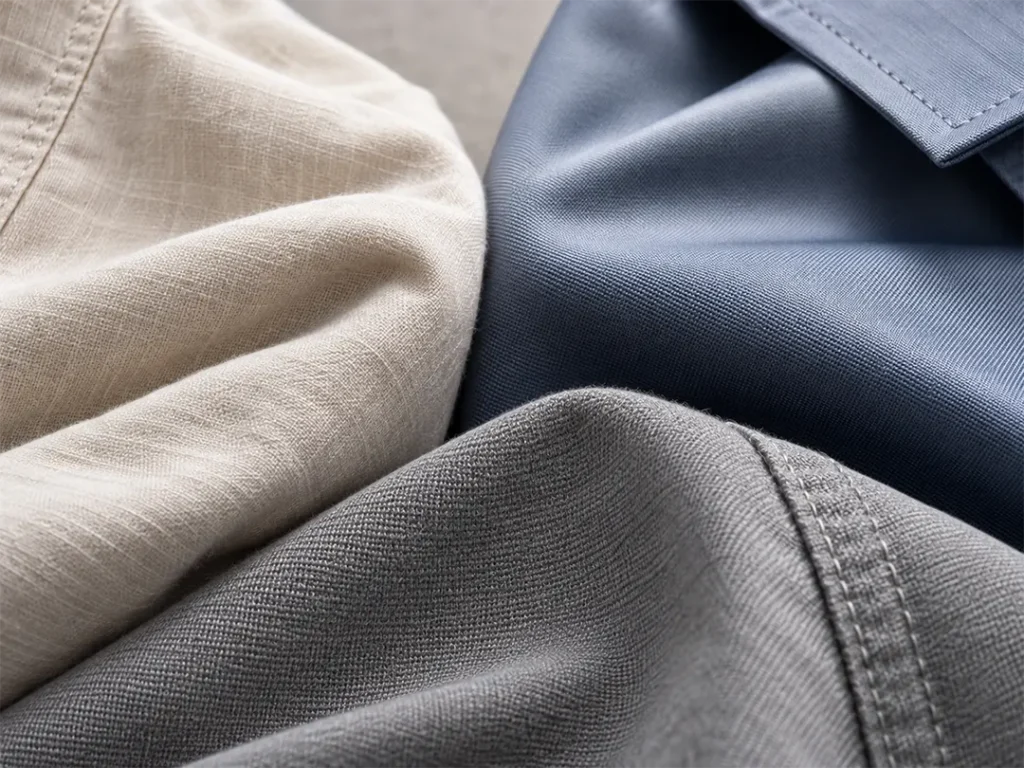
TC commonly refers to a polyester-cotton blended fabric, typically containing a higher proportion of polyester than cotton, although the exact composition varies between manufacturers.
The purpose of the blend is to combine useful characteristics of both fibres: polyester contributes durability and easier maintenance, while cotton improves comfort and hand feel.
Advantages
| Factor | Cotton | Polyester | TC Cotton |
|---|---|---|---|
| Comfort | Excellent | Varies | Very Good |
| Breathability | Generally High | Depends on Construction | Good |
| Wrinkle Resistance | Lower | High | Good |
| Drying Speed | Slower | Fast | Moderate–Fast |
| Durability | Good | High | High |
| Maintenance | Moderate | Easy | Easy |
| Typical Use | Office / Retail | Active / Industrial | Corporate / General Workwear |
These are general characteristics rather than absolute rules. Fabric weight, weave or knit structure, finishing and garment construction can significantly affect performance.
Malaysia’s warm and humid conditions make comfort and moisture management important. Cotton can feel comfortable for indoor environments, while lightweight polyester performance fabrics may work better for employees who are physically active or frequently outdoors.
TC cotton can be a practical middle ground for businesses that want a professional appearance with easier maintenance and better durability than many pure cotton garments.

| Fabric | Common Branding Options |
|---|---|
| Cotton | Screen Printing, DTF, Embroidery |
| Polyester | Sublimation*, DTF, Embroidery |
| TC Cotton | Screen Printing, DTF, Embroidery |
Sublimation normally works best with suitable polyester-rich materials and light-coloured garments. The exact result depends on the fabric and garment construction.
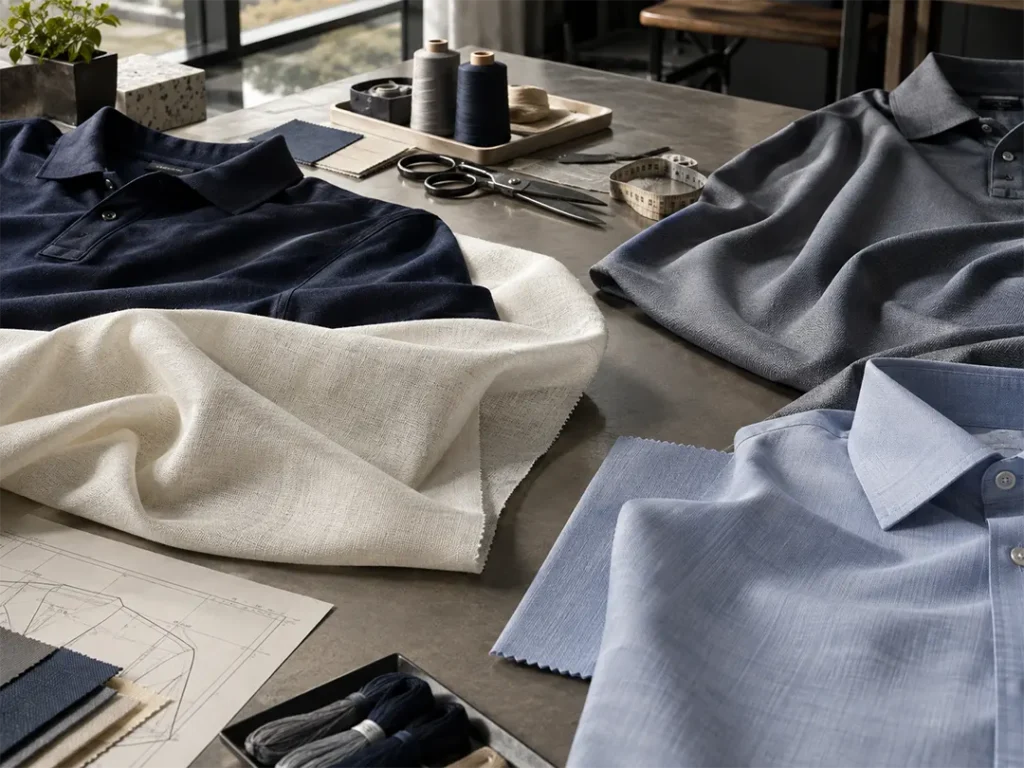
Before placing a large order, request actual fabric samples. Comparing weight, texture, colour and comfort physically is more reliable than choosing from a fabric name alone.
Not necessarily. TC cotton generally offers easier maintenance and greater wrinkle resistance, while cotton may provide a softer natural feel. The better option depends on how the uniform will be used.
Not all polyester fabrics perform the same way. Lightweight performance fabrics designed for moisture management can be suitable for Malaysia’s climate, while heavier constructions may feel warmer.
Polyester-rich fabrics generally offer strong abrasion resistance and dimensional stability, but garment construction, washing frequency and working conditions also affect lifespan.
When comparing cotton vs polyester vs TC cotton for company uniforms, focus on actual workplace requirements rather than looking for one universally superior material. Cotton prioritises natural comfort, polyester provides durability and easy care, while TC cotton offers a practical balance between the two.
Testing fabric samples before bulk production can help your business choose a uniform that performs well in everyday Malaysian working conditions.