Polo shirts are widely used as company uniforms because they provide a practical balance between a casual T-shirt and a more formal corporate shirt. However, choosing the right polo shirt involves more than selecting a colour and adding a company logo. The fabric directly affects comfort, moisture management, maintenance and how the garment performs during a full working day.
When comparing Dry Fit vs cotton polo shirts for work uniforms, neither material is automatically better. Cotton is valued for its soft, natural feel, while Dry Fit fabrics are generally designed to manage moisture and dry more quickly. The right choice depends largely on where employees work, how physically active they are and how frequently the uniforms are worn and washed.

Cotton is a natural fibre that absorbs moisture and generally provides a soft hand feel. Cotton polo shirts can be comfortable for employees working in offices, retail stores, showrooms and other environments where physical activity is relatively moderate.
However, cotton’s ability to absorb moisture also means it can retain perspiration. Once wet, cotton generally takes longer to dry than many synthetic performance fabrics. This may be less practical for employees who frequently work outdoors or perform physically demanding tasks.
Cotton polo shirts are often suitable when you prioritise:
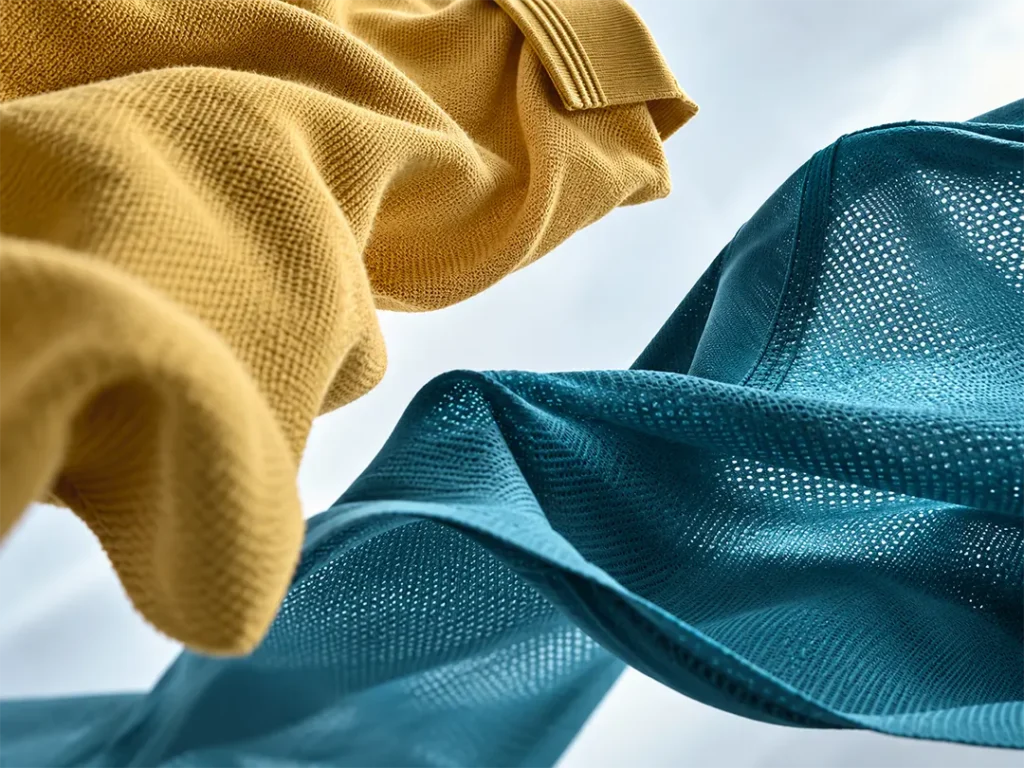
“Dry Fit” is commonly used to describe performance fabrics designed to move moisture away from the skin and allow it to evaporate more efficiently. Many of these fabrics are made primarily from polyester, although the exact fibre composition and fabric construction vary between manufacturers.
It is important to understand that Dry Fit is not one universal fabric specification. Two performance polo shirts may both be described as Dry Fit but can differ significantly in GSM, knit structure, stretch, texture and moisture-management performance.
Dry Fit polo shirts are commonly considered for:
| Factor | Cotton Polo | Dry Fit Polo |
|---|---|---|
| Hand Feel | Soft & Natural | Smooth / Performance Feel |
| Moisture Absorption | High | Generally Lower |
| Moisture Management | Moderate | Usually Better |
| Drying Speed | Slower | Faster |
| Wrinkle Resistance | Moderate | Generally Higher |
| Active Work | Moderate | Very Suitable |
| Indoor Office Use | Very Suitable | Suitable |
| Maintenance | Moderate | Generally Easy |
These are general characteristics rather than fixed rules. Fabric weight, knit structure, yarn type and finishing can change how both cotton and performance polyester garments feel and perform.
A lightweight, well-constructed cotton polo may feel cooler than a heavy polyester shirt, while a properly engineered performance fabric may manage perspiration much better during physical activity.
Malaysia’s climate makes this comparison particularly relevant, but choosing based only on temperature can be misleading.
For an employee spending most of the day in an air-conditioned office, cotton may provide excellent comfort. For a technician moving between customer locations, an outdoor event crew or an employee who regularly sweats during work, faster-drying performance fabric may be more practical.
Instead of asking “Which fabric is cooler?”, businesses should consider three questions:
These questions provide a more useful basis for selecting work uniforms than climate alone.

Both cotton and Dry Fit polo shirts can support company branding, but the correct method depends on the actual fabric construction.
| Branding Method | Cotton Polo | Dry Fit Polo |
|---|---|---|
| Embroidery | Very Suitable | Suitable* |
| Screen Printing | Suitable | Depends on Fabric |
| DTF Printing | Suitable | Suitable* |
| Sublimation | Not Typical | Suitable for Compatible Polyester |
Lightweight or stretchy performance fabrics may require appropriate embroidery backing, heat settings or production testing.
Heavy embroidery on thin Dry Fit fabric can create puckering or distortion if stitch density and stabilisation are not properly managed. Similarly, heat-based transfer methods should be tested at suitable temperatures for the garment.
Performance polyester generally dries faster, resists wrinkles and retains its shape well, which can make it convenient for uniforms that are washed frequently.
Cotton can also provide good service life when properly constructed and cared for, but washing temperature, drying method and fabric quality influence shrinkage, colour retention and overall lifespan.
Businesses ordering uniforms for daily use should therefore evaluate total maintenance requirements, not simply the initial garment price.
Choose cotton polo shirts when employees mainly work indoors and softness, natural feel and customer-facing appearance are priorities.
Consider Dry Fit polo shirts when employees are active, regularly work outdoors, move between locations or need garments that dry relatively quickly.
For companies with different departments, using both can make sense. Office employees can wear cotton polos while outdoor or operational teams use performance fabrics, with consistent colours and logo placement maintaining the same corporate identity

Dry Fit performance fabrics are often more practical for active outdoor work because they generally dry faster and are designed to manage moisture. However, actual performance depends on fabric construction and quality.
Cotton is naturally breathable, but breathability cannot be determined by fibre alone. Knit structure, fabric thickness and finishing also influence airflow and comfort.
Yes. Dry Fit polo shirts can be embroidered, but lightweight fabrics may require suitable backing and controlled stitch density to prevent puckering or distortion.
When comparing Dry Fit vs cotton polo shirts for work uniforms, the best choice depends on how employees actually work. Cotton provides a soft natural feel that works well in many indoor environments, while Dry Fit performance fabrics can provide faster drying and better moisture management for active teams.
Before placing a bulk order, compare actual fabric samples rather than relying only on labels such as “Cotton” or “Dry Fit.” Fabric weight, construction, fit and finishing can make a significant difference to everyday comfort and performance.